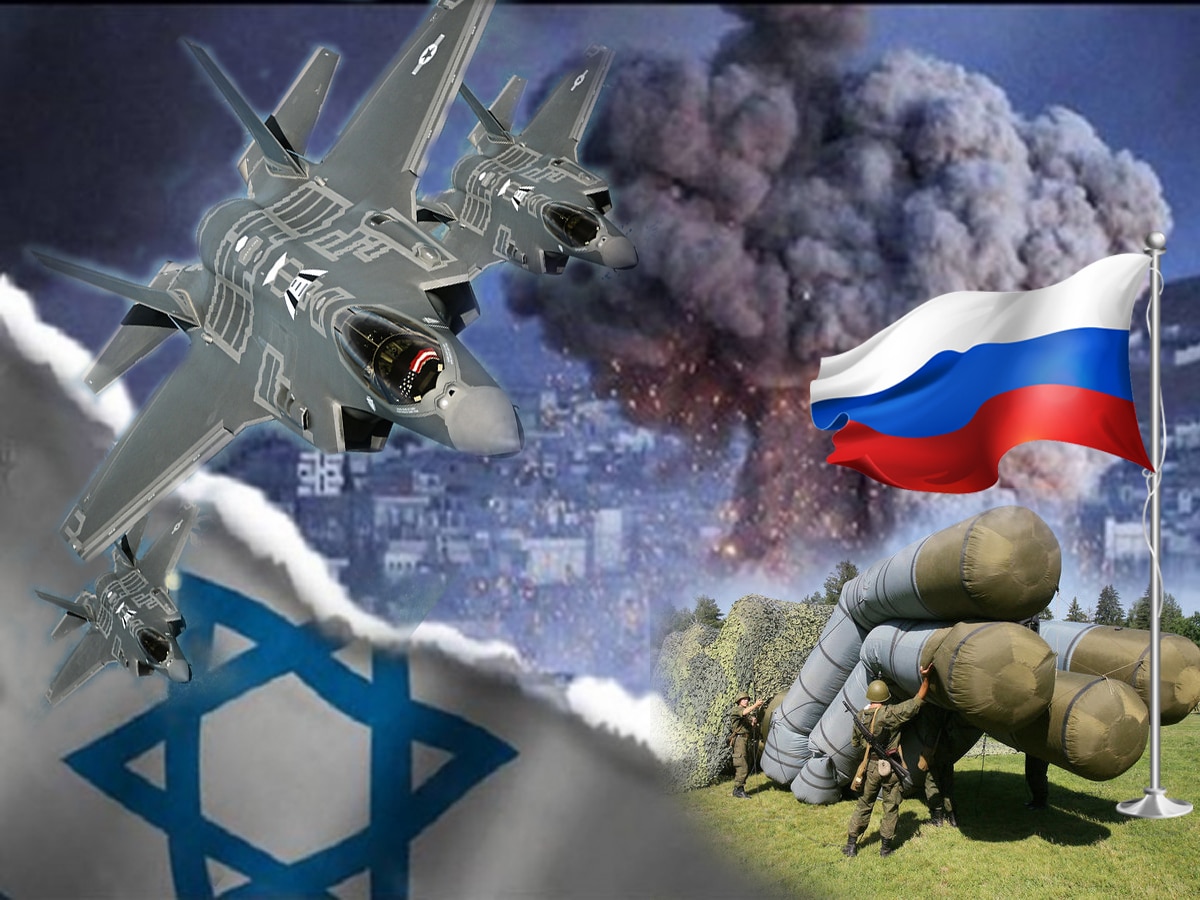
Within 48 hours of the start of the war with Iran, Israel announced full control of the airspace over the western part of the country, including Tehran.
This was reported by The Wall Street Journal, which stresses that Russia has failed to achieve the same in Ukraine even after 3.5 years of war.
The newspaper calls this contrast one of the main reasons for the collapse of Russia’s strategy: without air superiority, an army loses maneuverability and suffers colossal losses.
Main differences: Israel and Russia
| Metric | Israel vs Iran | Russia vs Ukraine |
|---|---|---|
| Time to achieve superiority | 48 hours | Not achieved in 3.5 years |
| Air-Force training level | High (F-35, F-15, intelligence integration) | Medium (“flying artillery”) |
| Cyber-forces integration | Full | Limited |
| Opponent’s air-defence level | Weak | Mobile and effective |
| Surprise effect | Maximum | Virtually absent |
Key factors behind Israel’s success

1. Technological edge and training
Israel’s Air Force entered the conflict far better prepared. WSJ notes their efficiency stems from “rigorous training, innovation, and integration with intelligence and cyber operations.” Russian pilots, by comparison, are trained mainly to operate “airborne artillery.”
2. Iran’s weak air defence
Unlike Ukraine, Iran failed to build an effective air-defence network. This allowed Israeli forces to destroy key air-defence assets quickly using drones and special-operations teams.
3. Element of surprise
The Wall Street Journal also reports that the Israeli operation began with a covert insertion of special forces into Iran, disabling vital military sites. Tehran was caught off-guard. Ukraine, warned by the United States about the 2022 invasion, had time to hide its air-defence systems and prepare.
4. Lessons learned
Israel avoided Russia’s mistakes: no weeks of wasteful missile barrages. Instead—precise strikes, tech coordination, intelligence, and a rapid decapitation phase against Iran’s leadership.
Expert opinions
David Deptula, retired U.S. Air Force lieutenant general, stated:
“When neither side controls the sky, you have a stalemate. That is exactly what happened in Ukraine.”
Edward Stringer, retired Royal Air Force air marshal, added:
“The Russians only have pilots, but Israel has a system.”
Michael Horowitz, Israeli analyst, emphasized:
“Israel did to Iran what Russia wanted to do to Ukraine—quickly, precisely, and effectively.”
He also noted that Ukrainian society is highly resilient to subversion, whereas in Iran it is easier to find people willing to cooperate with the regime’s enemy.
What it means for Israel and Ukraine
NAnews – Israel News highlights that this case shows air dominance is not merely an advantage but a decisive factor. If Israel could secure it in 48 hours, Ukraine must invest in air defence and strategic mobility right now.
For Israel it signals that a preventative, technology-driven strategy can avert protracted conflicts.
For Ukraine it is a lesson: never let the enemy dominate the skies. Israel’s example illustrates what effective modern defence should look like.
Israel achieved what Russia’s military leadership can only dream of: air control in 48 hours. The Wall Street Journal notes that “this allowed Israel to operate economically, swiftly, and with minimal losses.”
NAnews – Israel News continues to monitor events shaping the future of war and peace. The experience of Israel and Ukraine shows that two nations confronted by terror can learn from and support one another.