
#promotion
Haifa: Histadrut, 44 (Check-Post)
Winter 2025/2026
✨ First visit – only 268 shekels.
✨ Bring a friend, and you both get a gift!
In Haifa, there are clinics that sell the “effect,” and there are clinics that sell a plan. Sol Clinics is closer to the latter: the center has been operating since 2016, located in the Check-Post area, and emphasizes understanding the skin condition first before choosing procedures. Not “the trendiest,” but what won’t break the barrier and won’t add problems on top.
This is especially important in Israel. Here, even in winter, the skin lives in contrasts: sun and wind, dry indoor air, stress, lack of sleep. Therefore, the complaint “dull color” often goes along with “inflammations,” and “wrinkles” with “dehydration” and sensitivity. In such conditions, cosmetology becomes not a showcase but a tool: to bring the skin to a working state and maintain the result.
Details about the clinic and appointments:
https://cosmetology.nikk.co.il/
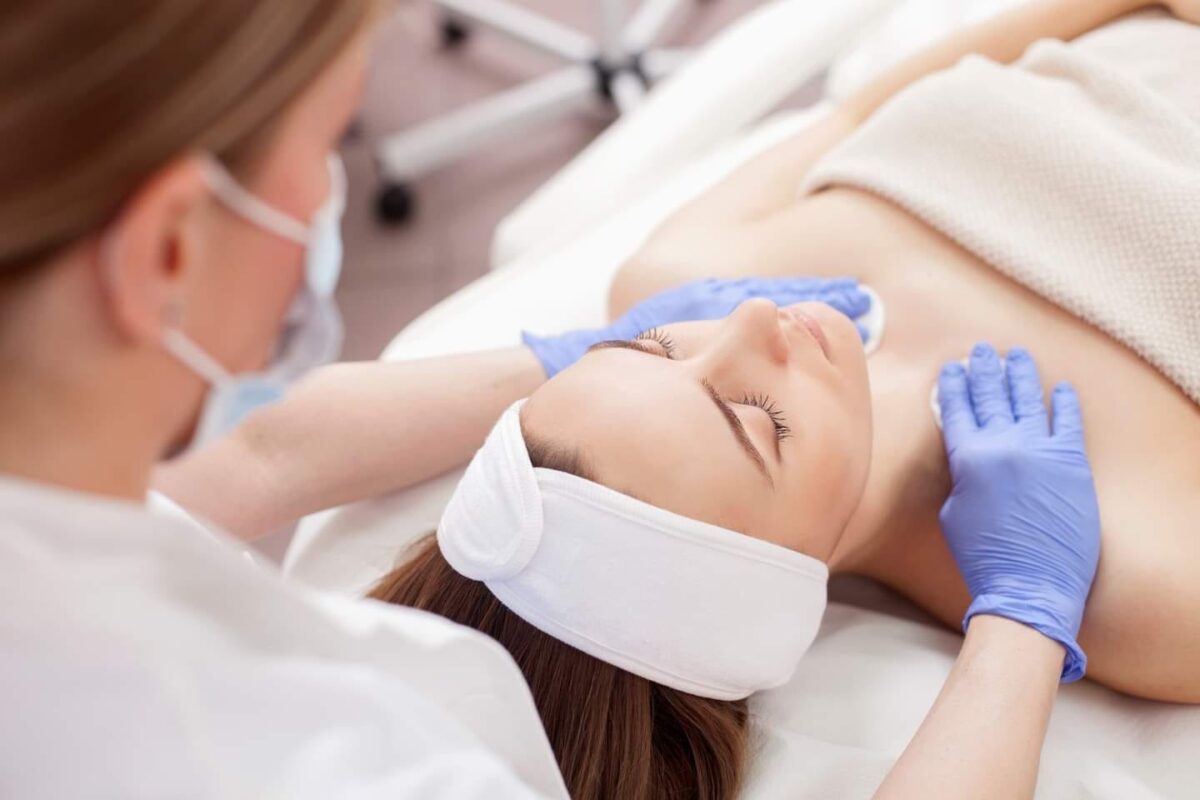
Where the clinic is located and why the location really affects the result
Sol Clinics is located at the entrance to Haifa, near Check-Post, at שד׳ ההסתדרות 44 (Histadrut 44), landmark — opposite מרכזית המפרץ. For the city, this is practical: it’s convenient to get here not only from Haifa but also from Krayot, Nesher, part of Carmel.
A separate plus — not “beautiful,” but useful: the clinic has free parking, and the entrance is organized so that you can enter without stairs, directly from the parking lot. This sounds trivial until a person realizes that the course is several visits, and each time they choose whether to go at all.
The working hours of clinics of this type usually extend into the evening. Here, work is declared until 19:00, and the last “after-work” slot is often set around 17:30–17:45. Appointments are available through the website and usually duplicated by quick communication channels (phone/WhatsApp) because it’s easier for people.
What skin and body problems are most often addressed here
Sol Clinics formulates tasks broadly, but essentially they fall into several groups. The center works with aesthetic and skin conditions where not one procedure is important, but the correct sequence.
Age-related changes and skin quality
Loss of elasticity, “soft” oval, flabbiness, fine wrinkles, tired tone. This is the category where people often say: “I don’t need a different face, I need mine to look more alive.”
Pigmentation and uneven tone
Spots after sun exposure, “mottling,” consequences of inflammations (post-inflammatory pigmentation), age-related tone changes.
Acne and post-acne
Inflammations, comedones, enlarged pores, traces after breakouts, sometimes scars. In Israel, adult acne is not uncommon, especially against the background of stress and climate.
Sensitive skin and “complex” conditions
Rosacea, seborrhea, atopic dermatitis, couperose, irritated skin. In such cases, any aggression can cause a setback, and that’s why diagnosis and a gentle pace are important.
Body: cellulite, tone, lymphatic drainage
Skin unevenness, cellulite, swelling, a request for a more even texture and a feeling of “lightness,” especially for those who sit a lot or are often on the road.
Why they start with diagnostics here, not with “choose a procedure from the menu”
This is the point that distinguishes normal practice from “just a salon.” In the clinic’s materials, it is emphasized: without diagnostics, the skin is not touched.
The diagnostic device in their description evaluates two indicators that really determine the fate of the protocol:
Phototype and melanin level
This affects how the skin can react to methods related to energy/light and helps reduce the risk of unwanted spots after procedures.
Inflammation level (including hidden)
If inflammation is high, the clinic does not rush with what can further irritate the skin: active peels, microneedling, fractional methods. First — recovery and stabilization, then — renewal.
From the outside, it looks like “they don’t sell us everything at once.” For the client, this is usually a good sign.
What procedures are available and how to logically choose them
On the clinic’s website, three of the most popular procedures of the season are highlighted: peeling, cryolifting, RF-lifting. These names are most often asked about. But more importantly — to understand what task they are suitable for.
Peeling
It is usually chosen when the skin has become dull, uneven, “rough,” and post-acne marks and pigmentation are more pronounced. Peeling is not about “scraping off the skin,” but about controlled surface renewal. That’s why clear diagnostics before peeling is not a whim: one skin tolerates it easily, another reacts with irritation.
Cryolifting
The procedure is usually taken under the request “I want to look more collected.” Cold protocols are often perceived as a gentle way to get a fresher look, reduce puffiness, and return a “clear” contour to the face without the feeling of aggression.
RF-lifting
RF is most often chosen when it comes to skin tone and density: oval, lower third of the face, overall firmness. In the clinic’s materials, this method is described as comfortable in sensations (the working area is heated to a controlled temperature) and suitable for those who want to “tighten” without surgery.
But the list doesn’t end there
The clinic’s description also includes other directions:
- Combined cleanings and care protocols when the skin needs to be “cleaned and normalized” without trauma.
- Mesostrip and multi-stage care aimed at skin quality, tone, recovery.
- Microneedling — as a tool for texture and renewal, considering that the skin after the procedure can be sensitive and needs proper support.
- Fractional directions (including fractional RF) — they are usually used when the goal is not “quick refresh,” but to work deeper with density, relief, and traces. At the same time, the clinic does not hide: some fractional methods may feel stronger than standard care procedures.
- IPL directions for acne/post-acne and pigmentation tasks — where it is important to work with redness, spots, and the overall skin background.
It is separately noted that the clinic uses a range of equipment (15 devices are mentioned), and preparations are selected according to the technique — without attempts to “replace with something cheaper,” so as not to break the protocol.
How the course is built and what is promised in terms of results

The clinic quite directly formulates expectations: a noticeable effect is possible after the first visit, but a stable result often requires a course — usually a range of 6–10 procedures (depending on the task).
There is another point that is usually important to people but rarely voiced: course adjustment along the way. In Sol Clinics’ materials, it is stated that in the middle of the program, the result is evaluated together with the client, and if the dynamics are weaker than expected, the protocol can be changed or strengthened without additional payment. This is not a “guarantee of a miracle,” but it is the logic of medical support: to look at the reaction, not to sell a standard package as unchangeable.
The clinic also talks about home care as part of the result: the description mentions the selection of care from professional lines (sets from several leading brands are mentioned), because without home support, the effect of the procedures often lives less.
Can face and body be done in one day
The clinic’s materials specifically state that if time allows and according to the schedule, face and body procedures can be combined in one day. For people who do not live in the center of Haifa or come from Krayot, this is really convenient: fewer trips, a higher chance to complete the course.
Frequently Asked Questions (FAQ)
Where to start if you’ve never done cosmetology in Israel?
Start with a consultation and diagnostics. This is the calmest way to understand what exactly your skin “hurts”: dehydration, inflammation, pigmentation, loss of tone, or all together. Sol Clinics emphasizes that without diagnostics, the skin is not touched: they look at phototype/melanin and inflammation level, and only then offer a plan — without guessing “by procedure name.”
What to bring to the first consultation?
Nothing complicated. If you have — bring a list of cosmetics you use at home, and remember if there were reactions to procedures/creams. It’s also important to say if there is a tendency to herpes, frequent irritations, allergies, pregnancy/breastfeeding, what medications you are currently taking. This saves time and helps not to prescribe what definitely doesn’t suit you.
Do I need to come without makeup?
Preferably, but not always necessary. If you come with makeup, the clinic usually still cleanses the skin before examination. But if possible — come “clean,” it’s easier to immediately see the skin condition: redness, peeling, inflammations, dehydration.
If the skin is sensitive, does that mean nothing can be done?
Not necessarily. “Sensitive skin” is not a prohibition, it’s a regime. It means the pace will be more cautious, and the order of procedures different: first, barrier restoration and irritation reduction, then — renewal and more active methods. If diagnostics show a high level of inflammation, aggressive techniques (peels, microneedling, fractional methods) are usually postponed to avoid worsening.
Can procedures be done if there is rosacea/couperose/dermatitis?
Sometimes yes, but not everything and not immediately. In such conditions, it’s important not to “chase” the skin with force. Softer protocols are often chosen, and active methods are only set when the skin is stable. This is discussed separately during the consultation because skin reactivity varies for everyone.
How to understand which procedure I need: peeling, cryolifting, or RF-lifting?
It depends on the leading problem.
If the main complaint is dull tone, uneven texture, marks/spots, “roughness” — they often start with gentle renewal (peeling), but only after assessing skin sensitivity.
If you want “compactness” and a fresh look, less puffiness and tired face — cryolifting is often chosen.
If the main topic is firmness and contour (oval, lower third of the face, flabbiness) — RF-lifting is usually considered as the basic “framework” procedure.
But the decision is still made after examination because the same complaint in different people can have different causes.
Is adult acne treated the same as teenage acne?
Often not. Adult acne can be related to stress, hormonal background, care, skin sensitivity, disrupted barrier. Therefore, it’s important to first assess inflammation and not take steps that can increase irritation. Sol Clinics specifically highlights hardware directions for acne/post-acne and usually builds the course to simultaneously reduce active inflammations and carefully work with traces.
Post-acne: what can really be improved?
Post-acne usually has three layers: marks/spots, relief, enlarged pores. Improvements are almost always possible, but the speed depends on the depth of the problem and skin reaction. It’s important not to expect “minus 10 years at once,” but to follow the course: first stabilization, then tone leveling, then working with texture and skin density.
Pigmentation: how many procedures are needed and how quickly is the effect visible?
With pigmentation, it’s always more honest to say: “it depends.” There are spots that go away quickly, and there are those that require a course and discipline with home care. The speed is influenced by: type of pigmentation (sun, post-inflammatory, hormonal), phototype, season, and how well a person follows care and skin protection recommendations.
How long does one visit take?
Depends on the procedure and plan. Care and cleanings usually take longer (often 60–90 minutes), hardware procedures can be shorter. The exact time will be told when booking, when clarifying what exactly you want to solve first.
How long does the course take?
The course depends on the task and frequency of visits. The clinic’s materials mention a guideline: a stable effect often requires 6–10 procedures. But this is a range, not a “mandatory norm.” Sometimes fewer procedures plus support are enough, and sometimes a longer plan is needed — especially for post-acne and pronounced pigmentation.
When will I see the first changes?
Many notice changes after the first visit: the skin may look fresher, “more even,” less puffiness, better tone. But a stable result usually accumulates over the course. This is normal: the skin does not restructure in one day, especially if the problem has been forming for years.
Can face and body procedures be combined in one day?
Sometimes yes — it depends on the schedule and what procedures are planned. The clinic’s materials state that combining is possible if time and “slots” are available. This is often convenient for those who come from outside the center of Haifa and want to reduce the number of trips.
Is it painful?
Most procedures are described as comfortable and without long rehabilitation. But there are methods that may feel stronger (for example, some fractional technologies). During the consultation, they usually explain in advance what to expect in terms of sensations and adjust the intensity to the person, not “to the maximum.”
Will there be rehabilitation: redness, peeling, “can’t go outside”?
Depends on the method. Soft care procedures usually do not give noticeable rehabilitation. After some techniques, there may be temporary redness or sensitivity. Importantly, with high inflammation, the clinic usually does not set aggressive procedures first to reduce the risk of unpleasant reactions.
Can procedures be done in the summer?
Some can, some — with restrictions. The Israeli sun makes seasonality important, especially in matters of pigmentation and active skin renewal. Therefore, the plan is often built so that in summer, more gentle and supportive steps are taken, and active ones are moved to a calmer season.
What home care is needed after procedures?
Usually without fanaticism. Often basic things are enough: gentle cleansing, hydration/barrier restoration, skin protection, and targeted products for your task. Sol Clinics emphasizes that home care is part of the result, not an “addition.”
If I already have cosmetics at home — will I be forced to change everything?
Usually, there is no point in “burning bridges.” They often look at compositions, compatibility with procedures, and skin reaction. Sometimes it’s enough to replace 1–2 items, and leave the rest. The main goal is for the care not to conflict with the course.
Is there a “guarantee of results”?
The clinic’s materials describe the approach: in the middle of the course, the dynamics are evaluated together with the client, and if necessary, the protocol is adjusted without additional payment. This is not a promise of a miracle “for everyone and always,” but it is an understandable model of support: to look at progress and change tactics if the skin reacts differently.
How often should maintenance procedures be done after the course?
The frequency of support depends on age, skin type, and what the main problem was. Usually, after completing the course, maintenance visits are done less often — for example, once every few weeks or once a month. It’s better to discuss specifics based on the result and skin reaction.
How to book and what to say when booking to be properly directed?
The simplest is to briefly describe the main goal: “pigmentation,” “acne/post-acne,” “oval/flabbiness,” “dull skin,” “cellulite/swelling.” If you say this right away, the administrator can offer the correct format for the first visit and approximate time.
Details about the clinic and appointments:
https://cosmetology.nikk.co.il/
Sol Clinics in Haifa looks like an example of practical urban cosmetology: a convenient location at Check-Post, emphasis on diagnostics, course, and support, rather than loud promises. For readers of NAnews — News of Israel | Nikk.Agency, this is a case where “where it is located” and “how the course is conducted” are more important than the names of procedures on the showcase.